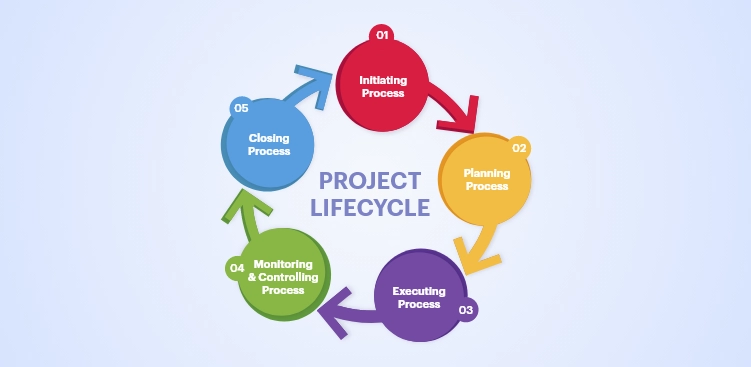

Once you have successfully passed the Planning Phase it is time for real action – Execution! The Project Execution Phase of the project management lifecycle is all about deliverables & outputs. The project team delivers the intended product or service to the customer for approval.
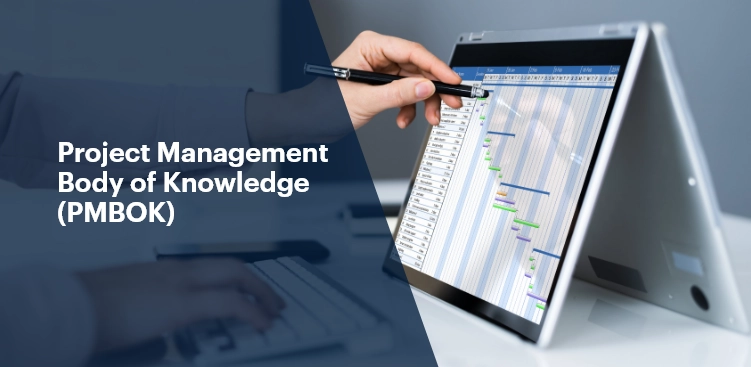
In official terms – The Project Management Body of Knowledge (PMBOK) states – “The Executing Process Group consists of those processes performed to complete the work defined in the project management plan to satisfy the project specifications.”
The Project Execution Phase is usually the longest phase in the project management life cycle and consumes the most energy and resources. It is pretty evident by now as to how crucial it is to ensure your plans are realized with clinical precision and none to minimal deviation.
To enable you to monitor and control the project during this phase, you will need to implement a range of project management processes. These processes help you to manage time, cost, quality, change, risks and issues. They also help you to manage procurement, customer acceptance and communications.
The primary objective of Execution and Control is to construct deliverables as per the master project plan and consistently evaluate the processes and plans involved to deliver the output as per the agreed specifications.
It is all about action and direction!
The Execution Phase will broadly involve the following actions. The priority or sequence is entirely dependent on the nature of the project and organizational practices and preferences. But nevertheless, they are performed to enable successful project execution.
- Acquire Develop & Manage the Team who will work on the project.
- Execute Project Scope.
- Recommend changes, bug fixes, preventive and corrective actions coming from Planning, Executing and Monitoring and Controlling process groups.
- Timely Communication with all stakeholders.
- Implemented approved changes to the processes, documentation and plans.
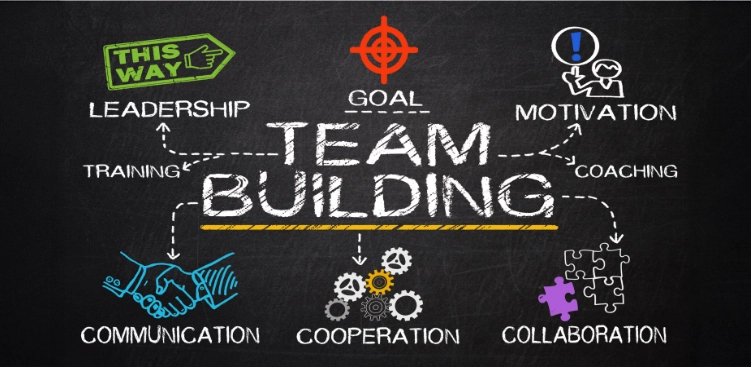
- Team Building exercises.
- Give recognition and rewards to team members and keep them motivated.
- Hold Status Review meetings to ensure project is on track and any deviations are attended to at the earliest.
- Use Work Authorization systems to allocate work.
- Request Seller responses to your tender and outsourcing needs.
- Select Seller for your procurement needs.

What does Execution Phase produce?

Project Deliverables
Project deliverables are the primary reason why projects are run. In fact, they represent the tangible expectations and results produced from our projects. Moreover, as part of the execution process, we ensure that the deliverables are well tested, meet the acceptance criteria, and receive approval from the customer and/or business sponsor.

It is of utmost importance that the project deliverables are of the agreed quality and meet the defined objectives and specifications.
Change Management Documents
Change is unavoidable in project management too. And in its true sense it is more of an asset. When handled properly, the change management process goes a long way in minimizing loss of precious project resources and reducing scope creep.

This is where the project management change plan comes in. The plan, as detailed in the project management change document, sets out the process by which any changes to the project’s goals, schedule, and/or resource usage are to be managed. In short, the change document is a vital component in managing projects of any size and complexity, and it heavily influences project success.
Change Management Document includes 3 items
Change Management Goals
Change Management Responsibilities
In this section of the change document, define the responsibilities of all parties affected by a project change. For example, specify who receives project change requests, who evaluates them, and how project teams, upper management, and clients or stakeholders will receive communication about the changes.
Change Management Model
In this section you will clearly lay out the details of the change management process. You should describe how project change requests are made and evaluated, who is authorized to approve them, and how they will be recorded.
Measuring Project Activities
Measuring performance is a critical factor in optimizing performance. Consistent Monitoring and Control measures are required to stay on track.

Understand why you are here?
Project performance, on the surface, seems easy to measure; just track time, cost and scope and it’s done.
As part of optimizing your execution, you must perform certain key activities
- Time Management
- Cost Management
- Quality Management
- Change Management
- Risk Management
- Procurement Management
- Acceptance Management
- Stakeholder Engagement
- Communication Management
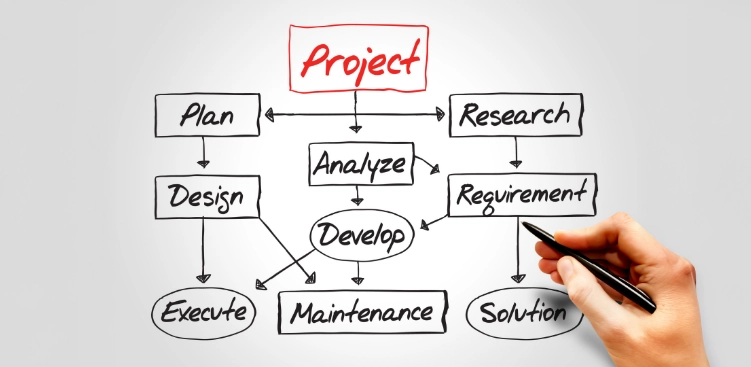
What processes are included in project execution?

Execution Kick-Off
The Project Manager can begin the phase activities following the completion of all planning activities including approval of the PMP, functional specifications & project funding.
Acquire Project team
The project manager takes the necessary steps to secure the human resources needed to complete the project. Next, they create resource calendars and allocate resources based on negotiations with the involved business units and resource pool managers.
Develop Project Team
The project manager evaluates each individual’s skill set to ensure that every team member has the proper skills for each upcoming project phase. Additionally, your training plan, schedule, and costs also come in handy, as described in the planning phase.
Project leaders that can align their vision and work with their teams will successfully deliver key programs and projects. The alignment of vision and strategy to implementation will help you close those gaps.
Executing THE Project Management Plan
The project manager executes the project management plan activities by performing the activities contained within each of the plans such as Communication Plan, Risk management plan, etc.
The project manager will direct the various technical and organizational resources that exist in the project to execute the work defined in the project management plans.
Conducting Status Review Meetings (PSR)
Project status meetings help project managers review updates from team members. They allow managers to assess what the team has accomplished so far and compare it with the planned activities.
They allow project managers in the assessment of current problem areas and project risk areas; as well as communicating critical project information with quick feedback. Having these project status meetings also eliminates the communication problem that arises out of an assumption or belief that “everyone knows what’s going on in this project”. Often team members do not know, because they are busy with their own tasks.
The project execution phase often reveals unanticipated problems or issues, so project leaders must anticipate them and pivot by making tactical changes.
Update Project Schedule and Management plans
In most organizations, the project management team is the group of people responsible for updating the project plan. For instance, the project plan serves many purposes for the project manager. Firstly, it records what has occurred on the project. Additionally, it illustrates what is happening on the project right now. Finally, it prepares the project team by showing what will be coming up.
Keeping the plan current is an important role of the project manager (or project administrator). Project updates focus on the three project management constraints, cost, time and scope. An effective project manager knows that a change in one of these areas results in changes in the other two. A current project plan will show the effect of these changes on the overall project.
The project team must record and get approval for any changes or updates to the previously defined plan. They should also include revision history information for audit purposes. Failing to maintain an accurate or updated plan significantly affects the overall success of the project.
Quality Assurance
In the Project Management Body of Knowledge (PMBOK), the Executing process group includes Quality Assurance, which continues throughout the project. During this process, project teams audit quality requirements and evaluate results from quality control measurements to confirm that they use the right quality standards and operational definitions. This process helps teams improve their overall quality performance.
Acceptance of Deliverables
Acceptance criteria for project deliverables clearly establish in advance an agreed-upon standard of performance or capability that the user will accept in a specific deliverable. Moreover, the Performance Plan developed in the Project Planning Phase further articulates the project deliverables and acceptance criteria.
These criteria serve as key guidelines for the design team to develop a solution that meets user expectations.
The execution phase ends when the user has agreed to accept the deliverable(s) in the state that they exist. The acceptance criterion is the standard that the user uses to judge if each deliverable is satisfactory.
In some cases, the deliverable may not meet all acceptance criteria but, from an overall view, the deliverable will meet the requirements of the user. The user must authenticate acceptance of each deliverable. The user will also identify any issues that remain outstanding and the agreed to plan for resolution of any outstanding issues.
Complete Execution Phase Review
The project manager contacts all participating stakeholders to review and document lessons learned in the execution phase. Then, a formal Phase Review form is filled out and sent to the Project Sponsor for approval.
It is basically to seek permission to proceed to the next phase and closure of the existing phase. The team reviews, approves all deliverables, documents pending issues with a resolution plan, and updates relevant plans and documents.
Once you have the phase review approved you officially proceed to the next phase!