Significance of Stakeholder Engagement

Stakeholder Engagement

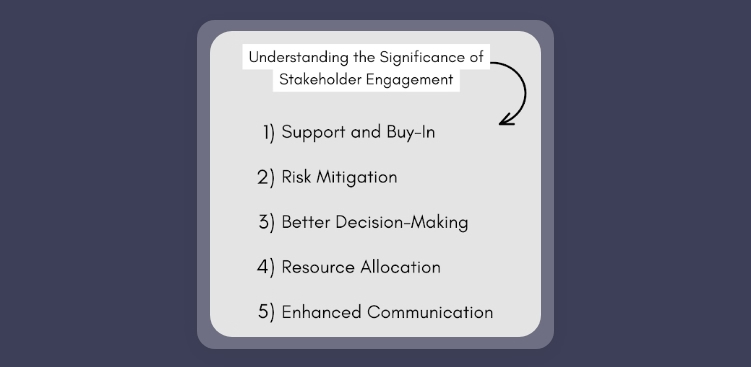
1. Support and Buy-In: Engaged stakeholders are more likely to support the project’s goals and provide necessary resources. Their buy-in can significantly impact a project’s success.

2. Risk Mitigation: Engaging stakeholders helps identify potential issues early, allowing project teams to proactively address them. This mitigates risks and prevents roadblocks.

3. Better Decision-Making Stakeholders often possess valuable insights and expertise. Involving them in decision-making can lead to better project outcomes and innovative solutions.

4. Resource Allocation: Engaging stakeholders efficiently allocates resources, ensuring that efforts are focused where they are most needed.

5. Enhanced Communication: Transparent and open communication fosters trust, reduces misunderstandings, and ensures alignment with project goals.

Key Stakeholder Engagement Strategies

Effective stakeholder engagement is a multifaceted process. Here are some strategies to help you build strong partnerships with your stakeholders:
Stakeholder Engagement

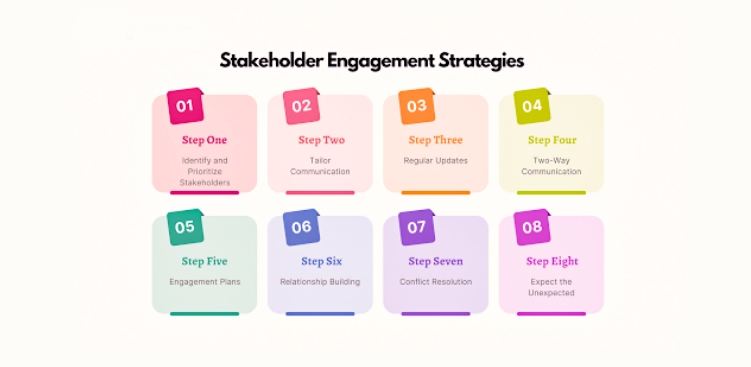
1. Identify and Prioritize Stakeholders: Begin by identifying all potential stakeholders and categorizing them based on their influence and interest in the project. Prioritize engagement efforts for high-impact stakeholders.

2. Tailor Communication: Customize your communication approach for different stakeholder groups. Understand their preferences, needs, and expectations to craft messages that resonate with them.

3. Regular Updates: Maintain open and regular communication with stakeholders. Provide updates on project progress, milestones, and any changes that may affect them.

4. Two-Way Communication: Encourage feedback and active participation from stakeholders. Listen to their concerns, ideas, and suggestions. Create a feedback loop that allows stakeholders to feel heard and valued.

5. Engagement Plans: Develop individual stakeholder engagement plans that outline the specific strategies and tactics for each stakeholder group. This ensures that engagement efforts are targeted and effective.

6. Relationship Building: Cultivate positive relationships with stakeholders. Building trust and rapport can lead to increased support and cooperation.

7. Conflict Resolution: Address conflicts or disagreements promptly and professionally. Have mechanisms in place for resolving disputes and reaching mutually beneficial solutions.

8. Expect the Unexpected: Be prepared for unexpected challenges and changes. Flexibility in engagement strategies can help adapt to evolving stakeholder needs and project conditions.

Tips for Implementing Stakeholder Engagement Strategies

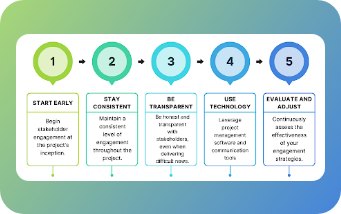
Implementing stakeholder engagement strategies requires a thoughtful and proactive approach:
Stakeholder Engagement

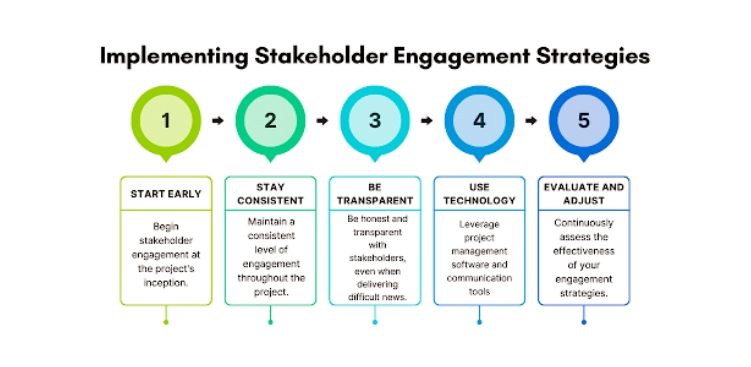
1. Start Early: Begin stakeholder engagement at the project’s inception. Early involvement allows stakeholders to influence project objectives and reduces resistance later.

2. Stay Consistent: Maintain a consistent level of engagement throughout the project. Sudden lapses in communication can erode trust.

3. Be Transparent: Be honest and transparent with stakeholders, even when delivering difficult news. Trust is built on transparency.

4. Use Technology: Leverage project management software and communication tools to streamline engagement efforts and ensure that stakeholders have access to relevant information.

5. Evaluate and Adjust: Continuously assess the effectiveness of your engagement strategies. Adjust them as needed to address changing stakeholder dynamics or project requirements.

Recognizing and valuing the significance of stakeholder engagement is paramount in the journey of any software company. The multifaceted nature of content creation, encompassing blogs, articles, social media, and web materials, necessitates a nuanced understanding of diverse perspectives.

By actively engaging with stakeholders, a company can harness their insights, expectations, and concerns, weaving them into the fabric of its decision-making processes.

This not only fosters collaboration but also ensures that the content produced resonates with the target audience. In an industry marked by rapid advancements, the enduring success of a software company hinges on its ability to cultivate meaningful relationships with stakeholders, leveraging their input for innovation, growth, and sustained excellence.
Stakeholder Communication Plans

In the dynamic landscape of software development, where a multitude of voices shape the trajectory of projects, creating effective stakeholder communication plans is paramount.A well-crafted communication plan not only facilitates the seamless exchange of information but also ensures that the produced content, including blogs, articles, social media, and web materials, aligns with the diverse perspectives of stakeholders.This introduction delves into the significance of developing communication strategies that resonate with the target audience and enhance project outcomes.

Understanding the Role of Stakeholder Communication Plans

Before diving into the mechanics of crafting an effective stakeholder communication plan, let’s examine why they are so crucial:

1. Clarity and Consistency: Effective communication plans ensure that stakeholders receive clear, consistent, and timely information about the project. This minimizes misunderstandings and confusion, keeping everyone on the same page.

2. Engagement and Buy-In: Regular and meaningful communication fosters stakeholder engagement and buy-in. When stakeholders feel involved and informed, they are more likely to support the project and provide valuable input.

3. Issue Resolution: A well-crafted communication plan includes mechanisms for addressing stakeholder concerns and issues promptly. This proactive approach prevents problems from escalating and derailing the project.

4. Risk Mitigation: Effective communication helps identify potential risks early, allowing project teams to mitigate them before they become significant obstacles

5. Resource Optimization: By tailoring communication to the needs of specific stakeholder groups, communication plans optimize resource allocation. This ensures that efforts are focused where they matter most.

Components of an Effective Stakeholder Communication Plan

Creating an effective stakeholder communication plan involves several key components:

1. Stakeholder Identification: Begin by identifying all potential stakeholders. Categorize them into primary (high influence and interest), secondary (high influence or interest), and tertiary (low influence and interest) groups.

2. Communication Objectives: Clearly define the objectives of your communication plan. What do you aim to achieve through stakeholder communication? Whether it’s disseminating project updates, addressing concerns, or seeking feedback, setting clear goals is essential.

3. Message Development: Craft tailored messages for each stakeholder group. Messages should be clear, concise, and relevant to the recipients’ interests and needs.

4. Communication Channels: Determine the most effective communication channels for reaching each stakeholder group. This could include emails, meetings, reports, project management software, or even social media platforms.

5. Frequency and Timing: Specify how often communication will occur and the timing of updates. Different stakeholder groups may require different communication frequencies.

6. Responsibilities: Clearly outline who is responsible for communicating with each stakeholder group. Designate roles and responsibilities to ensure accountability.

7. Feedback Mechanisms: Incorporate mechanisms for stakeholders to provide feedback or seek clarification. This encourages two-way communication and engagement.

8. Issue Escalation: Establish procedures for addressing issues or concerns raised by stakeholders. Define the chain of command and responsibilities for resolving disputes or problems.

9. Monitoring and Evaluation: Regularly assess the effectiveness of your communication plan. Are stakeholders receiving and understanding the information? Adjust your plan as needed to improve outcomes.

To create an effective stakeholder communication plan, follow these steps:

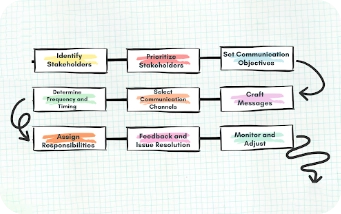
1. Identify Stakeholders: List all potential stakeholders, considering their interests and influence on the project.

2. Prioritize Stakeholders: Categorize stakeholders into primary, secondary, and tertiary groups based on their significance.

3. Set Communication Objectives: Clearly define what you want to achieve through stakeholder communication.

4. Craft Messages: Develop tailored messages that resonate with each stakeholder group.

5. Select Communication Channels: Choose appropriate channels for delivering messages to each group.

6. Determine Frequency and Timing: Specify how often and when communication will occur.

7. Assign Responsibilities: Define who is responsible for communicating with each stakeholder group.

8. Incorporate Feedback and Issue Resolution: Include mechanisms for stakeholders to provide feedback and resolve issues.

9. Monitor and Adjust: Continuously evaluate the effectiveness of your plan and make adjustments as necessary.

In the realm of content creation for the market, the importance of effective stakeholder communication plans cannot be overstated. As this software company navigates the intricacies of producing blogs, articles, and web content, a strategic approach to engaging stakeholders becomes a linchpin for success.

A thoughtfully designed communication plan fosters transparency, builds trust, and enables a harmonious collaboration between the software development team and its clientele.

By prioritizing stakeholder communication, the company not only ensures the relevance of its content but also positions itself for sustained growth and positive customer relationships in the ever-evolving landscape of the software industry.

Stakeholder Analysis and Mapping

The Significance of Stakeholder Analysis and Mapping

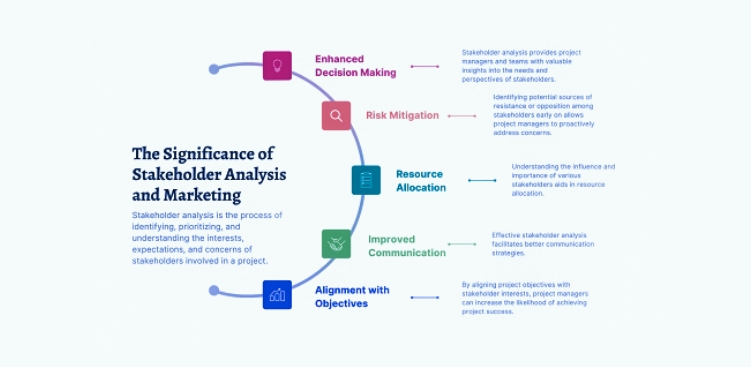
Stakeholder analysis is the process of identifying, prioritizing, and understanding the interests, expectations, and concerns of stakeholders involved in a project. Its significance cannot be overstated, as it serves several crucial purposes:

Stakeholder Analysis

1. Enhanced Decision-Making: Stakeholder analysis provides project managers and teams with valuable insights into the needs and perspectives of stakeholders. This, in turn, informs decision-making, helping project managers make choices that align with stakeholder expectations and project goals.

2. Risk Mitigation: Identifying potential sources of resistance or opposition among stakeholders early on allows project managers to proactively address concerns. This helps mitigate risks and prevents potential roadblocks that can derail a project.

3. Resource Allocation: Understanding the influence and importance of various stakeholders aids in resource allocation. It helps allocate time, effort, and resources to engaging and managing stakeholders according to their significance to the project.

4. Improved Communication: Effective stakeholder analysis facilitates better communication strategies. It helps tailor messages and engagement approaches to resonate with specific stakeholder groups, ensuring the right information reaches the right people.

5. Alignment with Objectives: By aligning project objectives with stakeholder interests, project managers can increase the likelihood of achieving project success. This alignment fosters support and collaboration from key stakeholders.

The Stakeholder Analysis Process

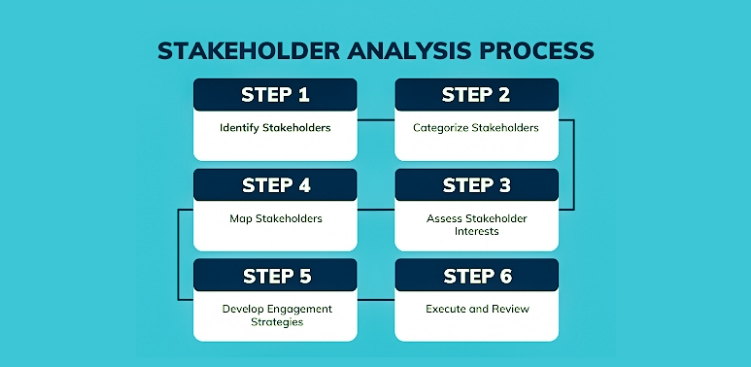
Now, let’s explore the step-by-step process of conducting a stakeholder analysis:

Stakeholder Analysis

1. Identify Stakeholders: Begin by compiling a list of all potential stakeholders. This can include internal and external parties such as team members, clients, suppliers, regulatory bodies, and community groups.

2. Categorize Stakeholders: Group stakeholders based on their level of interest in the project and their influence on project outcomes. This categorization helps prioritize engagement efforts.

3. Assess Stakeholder Interests: Analyze each stakeholder’s interests, expectations, and concerns. Consider how the project may impact them positively or negatively.

4. Map Stakeholders: Create a stakeholder map or matrix, placing stakeholders in the appropriate quadrant based on their interest and influence. This visual representation guides engagement strategies.

5. Develop Engagement Strategies: Tailor communication and engagement strategies for each stakeholder group. Determine the frequency, channels, and content of communication to address their needs effectively.

6. Execute and Review: Implement the engagement strategies and continuously assess stakeholder sentiments throughout the project lifecycle. Adjust strategies as needed to maintain stakeholder support.

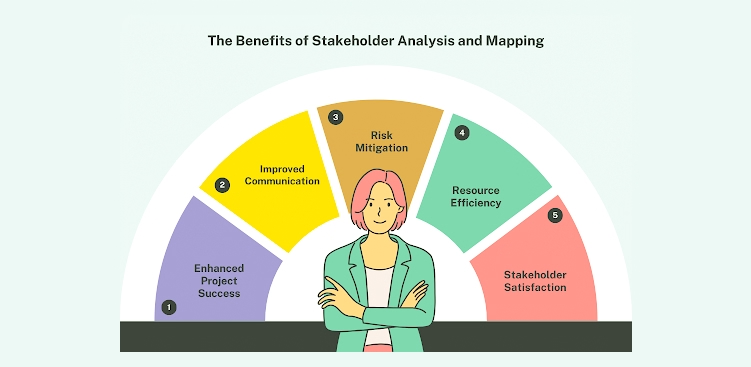
Embracing stakeholder analysis and mapping offers a myriad of benefits to project management:

Stakeholder Analysis

1. Enhanced Project Success: Projects that prioritize stakeholder engagement are more likely to succeed as they gain support, reduce conflicts, and navigate obstacles effectively.

2. Improved Communication: Tailoring communication to stakeholder needs fosters transparency and trust, resulting in smoother project execution.

3. Risk Mitigation: Identifying potential issues and addressing them early helps prevent major disruptions and costly delays

4. Resource Efficiency: Targeting engagement efforts efficiently allocates resources to where they are most needed, optimizing project performance.

5. Stakeholder Satisfaction: Meeting stakeholder expectations can lead to higher satisfaction levels, potentially leading to future collaboration or positive recommendations.

In the dynamic landscape of project management, stakeholder management and mapping emerge as indispensable tools for a software company catering to customers.

By acknowledging and incorporating the diverse needs and expectations of stakeholders, the content produced becomes more targeted and impactful. A well-executed stakeholder management strategy fosters collaboration, mitigates risks, and enhances overall project success.

As this software company continues to navigate the intricacies of content creation, integrating stakeholder insights into the fabric of project management practices will undoubtedly contribute to sustained growth and customer satisfaction in the competitive market.