Effective Project Documentation Best Practices

Project documentation is a crucial aspect of successful project management. It serves as a roadmap, a communication tool, a reference guide, and a historical record all at once.

Without proper documentation, projects can easily become disorganised, inefficient, and prone to miscommunication. Whether you’re managing a small project or a complex initiative, well-organised documentation is the compass that guides your journey. From planning and execution to monitoring and closure, every phase of a project relies on clear, comprehensive records.

Here are the best practices for creating and maintaining effective project documentation.
Project Documentation

1. Define Clear Documentation Goals

Before diving into documentation, it’s crucial to define clear goals. Ask yourself what information needs to be documented and why?

Are you aiming to provide a historical record, facilitate collaboration, or ensure compliance with industry standards?

Having a clear purpose will guide your documentation efforts. To establish clear communication goals, it’s essential to define the purpose of your message. Outline what needs to be conveyed in the document i.e. project information, motivate stakeholders, educate teams, etc. It forms a well-defined purpose and sets the foundation for effective communication.

2. Establish Documentation Standards

The second step to document preparation is establishing documentation standards. It is important to keep the writing conventions and flow of ideas consistent while preparing the project documents.

Next the project managers need to identify the types of documents they need to create. Typically in a project development the common documents include user stories, product backlogs, sprint backlogs, release plans and sprint reviews.

3. Create a Project Documentation Plan
Project Documentation

Develop a comprehensive documentation plan at the outset of the project. Outline what needs to be documented, who is responsible for each type of documentation, and when it should be created or updated. Having a plan in place helps prevent important details from slipping through the cracks.

The documentation plan outlines what needs to be documented, how it will be done, and when it should occur throughout the project’s lifecycle. This plan helps teams strike a balance between keeping records for compliance and knowledge preservation while avoiding unnecessary overhead.

4. Document Throughout the Project Lifecycle
Project Documentation

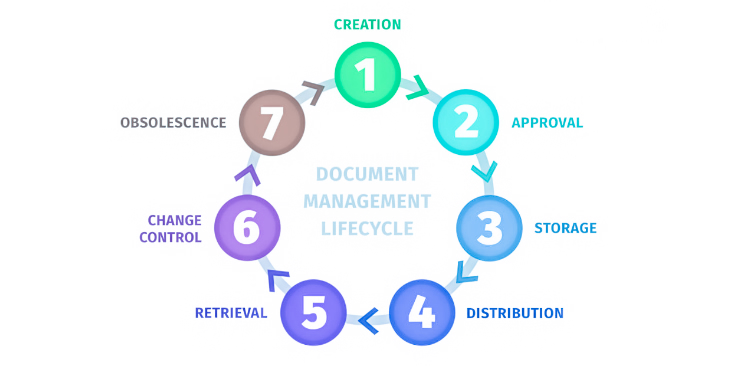
Effective project documentation isn’t a one-time effort. Document continuously throughout the project’s lifecycle. This includes planning documents, meeting minutes, status reports, change requests, and final deliverables.By documenting in real-time, you capture the most accurate and up-to-date information.

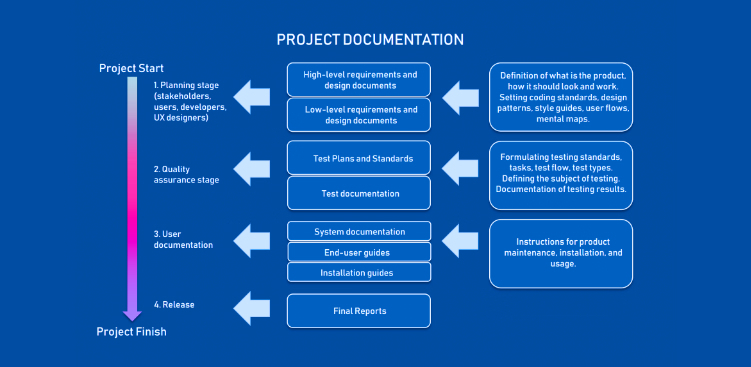
The creation of documents throughout a project’s life cycle involves several stages, each serving a specific purpose.

  • Initially, during the project initiation phase, you start with a project charter that outlines the project’s purpose, scope, and key stakeholders.
  • The planning phase involves creating documents like project plans, schedules, and budgets.
  • During execution, work-related documents such as status reports, progress updates, and change requests documents are created.
  • Monitoring and controlling phases involve risk assessments and issue logs.
  • The project closure phase involves documents like final reports, lessons learned, and project summaries which are developed to capture the project’s outcomes.

Use collaboration tools like Orangescrum to streamline the documentation process. These tools come equipped with wiki management software that provides predefined templates and custom workflows for document preparation. These features simplify the creation and management of product documents.

5 benefits of using collaboration tools for documentation:

  • Efficient Collaboration: Collaboration tools facilitate real-time collaboration among team members, regardless of their geographical locations.
  • Version Control: Collaboration tools include version control features that track changes to documents.
  • Centralised Access: With documents stored in a central, cloud-based location, authorised users can access files from anywhere with an internet connection
  • Security and Permissions: Collaboration tools offer various security features, including user permissions and encryption, to protect sensitive data.
  • Streamlined Workflow: These tools often integrate with project management and task tracking features, streamlining the workflow.

6. Maintain Version Control

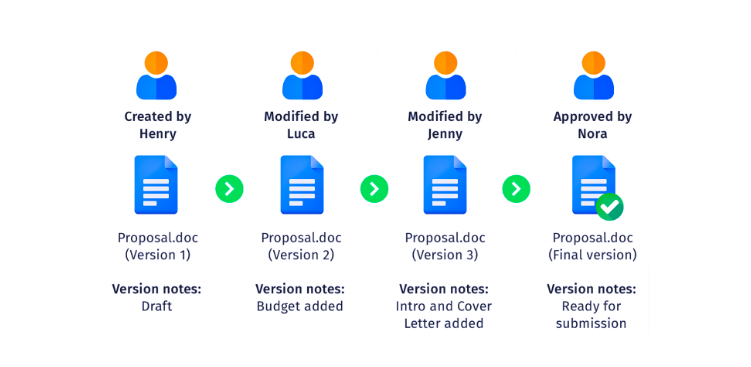
Maintain a clear version control system for all project documents. Ensure that team members are using the most recent versions to avoid confusion and errors. Many document management systems offer version history tracking.

What are the benefits of version control?
Project Documentation
  • Document history and tracking: Maintain a complete history of document changes. This enables data auditing, troubleshooting and accountability.
  • Avoid data loss: Prevent data loss by pressing previous versions of the document. Avoid accidental data corruption by reverting to earlier, intact versions.
  • Collaboration: Support concurrent collaboration on documents by multiple team members. Users can work on the same document simultaneously and manage merge conflicts.
  • Traceability and compliance: It facilitates compliance by providing a documented change history which can be critical for audits and compliance with industry regulations.
  • Save time and resources: Version control systems save time and resources that would otherwise be spent manually managing document versions, tracking changes, and resolving conflicts.

7. Keep It Concise and Relevant

Project managers should keep the documents concise and relevant. They should avoid unnecessary details and jargons. Instead, they should outline only the information that brings clarity to the project requirements.

Top Tips to Keep Project Documents Concise and Relevant

  • Define Clear Objectives: Before creating any document, clearly define its purpose and objectives. Avoid including extraneous information that doesn’t directly contribute to the document’s goals.
  • Use Clear and Concise Language: Opt for plain language and avoid overly complex or verbose sentences. Be straightforward in your communication, and use active voice to make the content more engaging and straightforward.
  • Prioritize Information: Arrange the content in order of importance. Start with the most critical information and progressively move to less important details. This ensures that readers immediately grasp the key points.
  • Security and Permissions: Instead of lengthy paragraphs, use bullet points or numbered lists to present information in a more organized and scannable format. Lists make it easier for readers to quickly absorb essential details.
  • Visual Aids: Incorporate relevant visuals, such as diagrams, charts, and infographics, to illustrate complex concepts or data. Visuals can often convey information more efficiently than text.
  • Regular Updates: Periodically review and update product documents to ensure they remain relevant. Information can become outdated quickly, and maintaining the document’s accuracy is essential.
  • Keep an Executive Summary: Include an executive summary at the beginning of the document, providing a high-level overview for those who need a quick understanding without delving into the details.

8. Include Stakeholders

Involve stakeholders in the documentation process. Project managers should communicate to factor-in their perspectives while preparing their documents. This will ensure that the documents effectively reflect the project’s status and goals.

Top tips to consider when preparing documents for stakeholders:

  • Understand Your Stakeholder: Begin by understanding your stakeholders’ needs, interests, and expectations. Tailor your document to address their specific concerns and priorities.
  • Clear and Concise Content: Ensure that the document is clear, concise, and free of jargon. Use straightforward language and avoid unnecessary technical details that stakeholders may not understand.
  • Executive Summary: Start with an executive summary that provides a high-level overview of the document’s key points. This summary allows busy stakeholders to quickly grasp the main takeaways.
  • Structure and Formatting: Organize the document with a logical structure, including headings, subheadings, and bullet points. Use a consistent formatting style for a professional and easy-to-read appearance.
  • Visuals and Graphics: Incorporate relevant visuals, such as charts, graphs, and infographics, to illustrate key data and trends. Visual aids can make complex information more accessible.
  • Actionable Recommendations: If applicable, include actionable recommendations or next steps. Stakeholders appreciate documents that not only inform but also provide guidance on how to respond or make decisions based on the information presented.
  • Review and Proofread: Carefully review and proofread the document to eliminate errors, typos, and inconsistencies. A well-edited document reflects professionalism and attention to detail.
  • Meet Deadlines: Ensure that you meet deadlines for document delivery. Stakeholders rely on receiving information in a timely manner, so punctuality is crucial.
  • Feedback and Iteration: After sharing the document, welcome feedback from stakeholders and be prepared to iterate and improve the document based on their input.
  • Compliance and Legal Considerations: If the document has legal or compliance implications, make sure it adheres to relevant regulations and standards. Seek legal advice when necessary.
  • Security and Confidentiality: Safeguard sensitive information and ensure that the document’s distribution complies with confidentiality requirements and data security protocols.

9. Review and Validate

More important than preparing documents is reviewing and validating the accuracy of the contents in it. It is advised to perform peer reviews and quality assurance processes to identify errors.

Top things to consider when reviewing and validating documents:

  • Define Reviewers and Responsibilities: Identify the individuals or teams responsible for reviewing and validating the document. Assign specific roles and responsibilities to each reviewer, including subject matter experts, project managers, stakeholders, and quality assurance personnel.
  • Establish Clear Criteria: Determine the criteria and standards against which the document will be evaluated. This could include project requirements, industry standards, organizational guidelines, and document-specific criteria such as clarity, consistency, and accuracy.
  • Consolidate Feedback: Collect feedback and comments from all reviewers. Use a collaborative platform or document management system to centralize feedback and make it easily accessible to all stakeholders. Be sure to capture both positive aspects and areas that need improvement
  • Hold a Review Meeting: Schedule a review meeting or discussion where the reviewers can share their feedback and discuss any discrepancies or differences in their assessments. Use this meeting to resolve conflicts and ensure a common understanding of the document’s quality.
  • Document Revisions: After the review meeting, make necessary revisions to the document based on the feedback received. Ensure that the document aligns with the defined criteria and standards.
  • Validate Content and Accuracy: Reviewers should validate the document’s content for accuracy, relevance, and completeness. Confirm that it addresses the project’s objectives and meets stakeholder expectations.
  • Check Formatting and Style: Review the document for consistency in formatting, style, and language. Ensure that it adheres to the organization’s guidelines and is visually appealing and reader-friendly.
  • Continuous Improvement: After the document is approved and in use, continue to monitor its effectiveness and collect feedback from users. Consider implementing changes or updates based on real-world usage and evolving project needs.

10. Archive and Retain

Effective project documentation doesn’t end when the project is completed. Archiving and retaining project documentation is a crucial best practice to preserve institutional knowledge and meet regulatory requirements.

By systematically storing and organizing project documents, you ensure that valuable information remains accessible for future reference, audits, or follow-up projects.

Proper archiving also safeguards against data loss and maintains a historical record of the project’s evolution and decision-making processes.

11. Provide Access and Training

To maximize the utility of project documentation, it’s essential to provide easy access to relevant stakeholders. This best practice involves setting up user-friendly document repositories or management systems that grant authorized individuals access to the right documents when they need them.

Additionally, offering training and guidance on how to navigate and utilize these resources ensures that team members and stakeholders can leverage project documentation effectively to support their tasks and decision-making processes.

One of the most valuable aspects of project documentation is the opportunity to learn from past projects. Effective project managers and teams continuously improve by reviewing past documentation to identify successes, challenges, and areas for enhancement.

By analyzing historical project documents, you can identify trends, best practices, and lessons learned that inform better decision-making, streamline processes, and ultimately lead to more successful future projects.

This best practice turns project documentation into a dynamic resource for ongoing improvement and innovation.

Conclusion

By implementing the best practices for project documentation, such as clear objectives, standardized templates, version control, and regular updates, organizations can streamline their project management processes and significantly reduce the risk of costly errors and miscommunications.

Whether you’re working on a small software development project or a large construction endeavour, the principles of effective project documentation apply across the board.

The key to successful project documentation is to keep it relevant, accessible, and up-to-date throughout the project’s lifecycle.

By making this a priority and integrating these best practices into your project management methodology, you’ll set your project up for success and contribute to a culture of efficiency and transparency within your organisation.

So, embrace the power of project documentation and watch as your projects thrive and your team’s productivity soars.
Significance of Stakeholder Engagement

Stakeholder Engagement

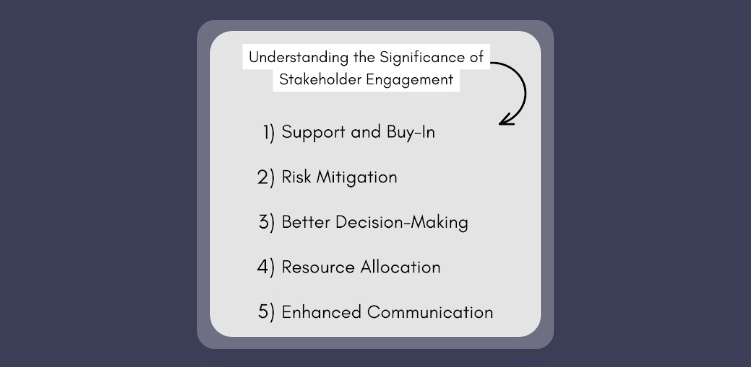
1. Support and Buy-In: Engaged stakeholders are more likely to support the project’s goals and provide necessary resources. Their buy-in can significantly impact a project’s success.

2. Risk Mitigation: Engaging stakeholders helps identify potential issues early, allowing project teams to proactively address them. This mitigates risks and prevents roadblocks.

3. Better Decision-Making Stakeholders often possess valuable insights and expertise. Involving them in decision-making can lead to better project outcomes and innovative solutions.

4. Resource Allocation: Engaging stakeholders efficiently allocates resources, ensuring that efforts are focused where they are most needed.

5. Enhanced Communication: Transparent and open communication fosters trust, reduces misunderstandings, and ensures alignment with project goals.

Key Stakeholder Engagement Strategies

Effective stakeholder engagement is a multifaceted process. Here are some strategies to help you build strong partnerships with your stakeholders:

Stakeholder Engagement

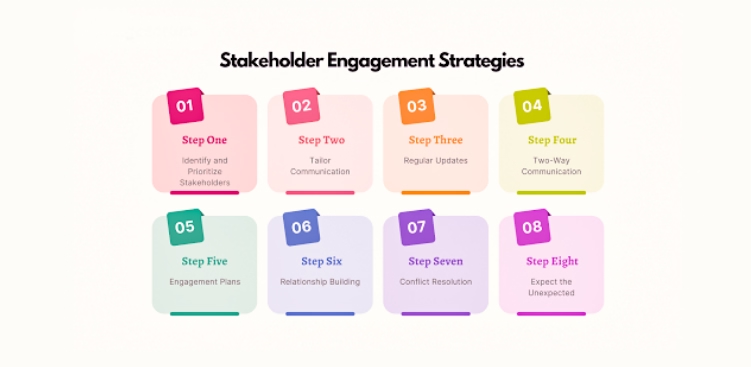
1. Identify and Prioritize Stakeholders: Begin by identifying all potential stakeholders and categorizing them based on their influence and interest in the project. Prioritize engagement efforts for high-impact stakeholders.

2. Tailor Communication: Customize your communication approach for different stakeholder groups. Understand their preferences, needs, and expectations to craft messages that resonate with them.

3. Regular Updates: Maintain open and regular communication with stakeholders. Provide updates on project progress, milestones, and any changes that may affect them.

4. Two-Way Communication: Encourage feedback and active participation from stakeholders. Listen to their concerns, ideas, and suggestions. Create a feedback loop that allows stakeholders to feel heard and valued.

5. Engagement Plans: Develop individual stakeholder engagement plans that outline the specific strategies and tactics for each stakeholder group. This ensures that engagement efforts are targeted and effective.

6. Relationship Building: Cultivate positive relationships with stakeholders. Building trust and rapport can lead to increased support and cooperation.

7. Conflict Resolution: Address conflicts or disagreements promptly and professionally. Have mechanisms in place for resolving disputes and reaching mutually beneficial solutions.

8. Expect the Unexpected: Be prepared for unexpected challenges and changes. Flexibility in engagement strategies can help adapt to evolving stakeholder needs and project conditions.

Tips for Implementing Stakeholder Engagement Strategies

Implementing stakeholder engagement strategies requires a thoughtful and proactive approach:

Stakeholder Engagement

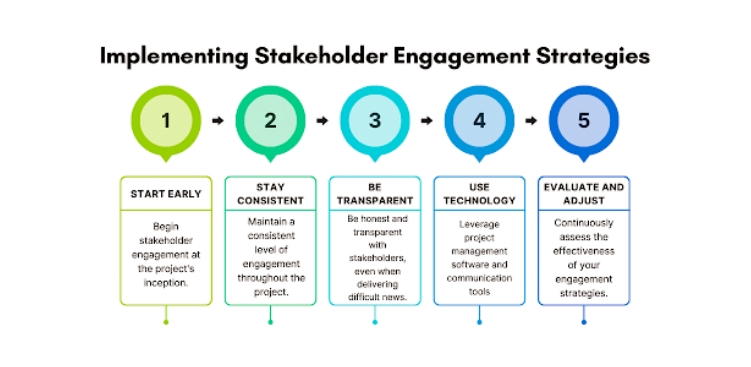
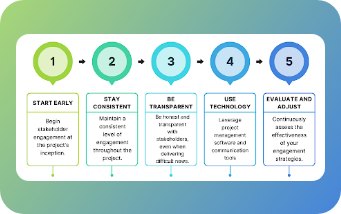
1. Start Early: Begin stakeholder engagement at the project’s inception. Early involvement allows stakeholders to influence project objectives and reduces resistance later.

2. Stay Consistent: Maintain a consistent level of engagement throughout the project. Sudden lapses in communication can erode trust.

3. Be Transparent: Be honest and transparent with stakeholders, even when delivering difficult news. Trust is built on transparency.

4. Use Technology: Leverage project management software and communication tools to streamline engagement efforts and ensure that stakeholders have access to relevant information.

5. Evaluate and Adjust: Continuously assess the effectiveness of your engagement strategies. Adjust them as needed to address changing stakeholder dynamics or project requirements.

Recognizing and valuing the significance of stakeholder engagement is paramount in the journey of any software company. The multifaceted nature of content creation, encompassing blogs, articles, social media, and web materials, necessitates a nuanced understanding of diverse perspectives.

By actively engaging with stakeholders, a company can harness their insights, expectations, and concerns, weaving them into the fabric of its decision-making processes.

This not only fosters collaboration but also ensures that the content produced resonates with the target audience. In an industry marked by rapid advancements, the enduring success of a software company hinges on its ability to cultivate meaningful relationships with stakeholders, leveraging their input for innovation, growth, and sustained excellence.

Stakeholder Communication Plans

In the dynamic landscape of software development, where a multitude of voices shape the trajectory of projects, creating effective stakeholder communication plans is paramount.A well-crafted communication plan not only facilitates the seamless exchange of information but also ensures that the produced content, including blogs, articles, social media, and web materials, aligns with the diverse perspectives of stakeholders.This introduction delves into the significance of developing communication strategies that resonate with the target audience and enhance project outcomes.

Understanding the Role of Stakeholder Communication Plans

Before diving into the mechanics of crafting an effective stakeholder communication plan, let’s examine why they are so crucial:

1. Clarity and Consistency: Effective communication plans ensure that stakeholders receive clear, consistent, and timely information about the project. This minimizes misunderstandings and confusion, keeping everyone on the same page.

2. Engagement and Buy-In: Regular and meaningful communication fosters stakeholder engagement and buy-in. When stakeholders feel involved and informed, they are more likely to support the project and provide valuable input.

3. Issue Resolution: A well-crafted communication plan includes mechanisms for addressing stakeholder concerns and issues promptly. This proactive approach prevents problems from escalating and derailing the project.

4. Risk Mitigation: Effective communication helps identify potential risks early, allowing project teams to mitigate them before they become significant obstacles

5. Resource Optimization: By tailoring communication to the needs of specific stakeholder groups, communication plans optimize resource allocation. This ensures that efforts are focused where they matter most.

Components of an Effective Stakeholder Communication Plan

Creating an effective stakeholder communication plan involves several key components:

1. Stakeholder Identification: Begin by identifying all potential stakeholders. Categorize them into primary (high influence and interest), secondary (high influence or interest), and tertiary (low influence and interest) groups.

2. Communication Objectives: Clearly define the objectives of your communication plan. What do you aim to achieve through stakeholder communication? Whether it’s disseminating project updates, addressing concerns, or seeking feedback, setting clear goals is essential.

3. Message Development: Craft tailored messages for each stakeholder group. Messages should be clear, concise, and relevant to the recipients’ interests and needs.

4. Communication Channels: Determine the most effective communication channels for reaching each stakeholder group. This could include emails, meetings, reports, project management software, or even social media platforms.

5. Frequency and Timing: Specify how often communication will occur and the timing of updates. Different stakeholder groups may require different communication frequencies.

6. Responsibilities: Clearly outline who is responsible for communicating with each stakeholder group. Designate roles and responsibilities to ensure accountability.

7. Feedback Mechanisms: Incorporate mechanisms for stakeholders to provide feedback or seek clarification. This encourages two-way communication and engagement.

8. Issue Escalation: Establish procedures for addressing issues or concerns raised by stakeholders. Define the chain of command and responsibilities for resolving disputes or problems.

9. Monitoring and Evaluation: Regularly assess the effectiveness of your communication plan. Are stakeholders receiving and understanding the information? Adjust your plan as needed to improve outcomes.

To create an effective stakeholder communication plan, follow these steps:

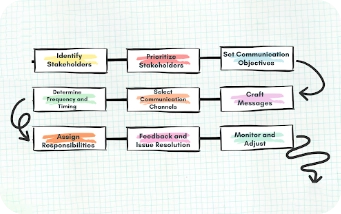
1. Identify Stakeholders: List all potential stakeholders, considering their interests and influence on the project.

2. Prioritize Stakeholders: Categorize stakeholders into primary, secondary, and tertiary groups based on their significance.

3. Set Communication Objectives: Clearly define what you want to achieve through stakeholder communication.

4. Craft Messages: Develop tailored messages that resonate with each stakeholder group.

5. Select Communication Channels: Choose appropriate channels for delivering messages to each group.

6. Determine Frequency and Timing: Specify how often and when communication will occur.

7. Assign Responsibilities: Define who is responsible for communicating with each stakeholder group.

8. Incorporate Feedback and Issue Resolution: Include mechanisms for stakeholders to provide feedback and resolve issues.

9. Monitor and Adjust: Continuously evaluate the effectiveness of your plan and make adjustments as necessary.

In the realm of content creation for the market, the importance of effective stakeholder communication plans cannot be overstated. As this software company navigates the intricacies of producing blogs, articles, and web content, a strategic approach to engaging stakeholders becomes a linchpin for success.

A thoughtfully designed communication plan fosters transparency, builds trust, and enables a harmonious collaboration between the software development team and its clientele.

By prioritizing stakeholder communication, the company not only ensures the relevance of its content but also positions itself for sustained growth and positive customer relationships in the ever-evolving landscape of the software industry.

Stakeholder Analysis and Mapping

The Significance of Stakeholder Analysis and Mapping

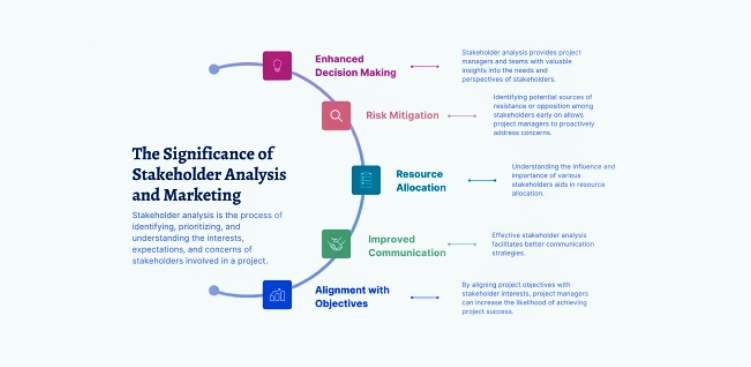
Stakeholder analysis is the process of identifying, prioritizing, and understanding the interests, expectations, and concerns of stakeholders involved in a project. Its significance cannot be overstated, as it serves several crucial purposes:

Stakeholder Analysis

1. Enhanced Decision-Making: Stakeholder analysis provides project managers and teams with valuable insights into the needs and perspectives of stakeholders. This, in turn, informs decision-making, helping project managers make choices that align with stakeholder expectations and project goals.

2. Risk Mitigation: Identifying potential sources of resistance or opposition among stakeholders early on allows project managers to proactively address concerns. This helps mitigate risks and prevents potential roadblocks that can derail a project.

3. Resource Allocation: Understanding the influence and importance of various stakeholders aids in resource allocation. It helps allocate time, effort, and resources to engaging and managing stakeholders according to their significance to the project.

4. Improved Communication: Effective stakeholder analysis facilitates better communication strategies. It helps tailor messages and engagement approaches to resonate with specific stakeholder groups, ensuring the right information reaches the right people.

5. Alignment with Objectives: By aligning project objectives with stakeholder interests, project managers can increase the likelihood of achieving project success. This alignment fosters support and collaboration from key stakeholders.

The Stakeholder Analysis Process

Now, let’s explore the step-by-step process of conducting a stakeholder analysis:

Stakeholder Analysis

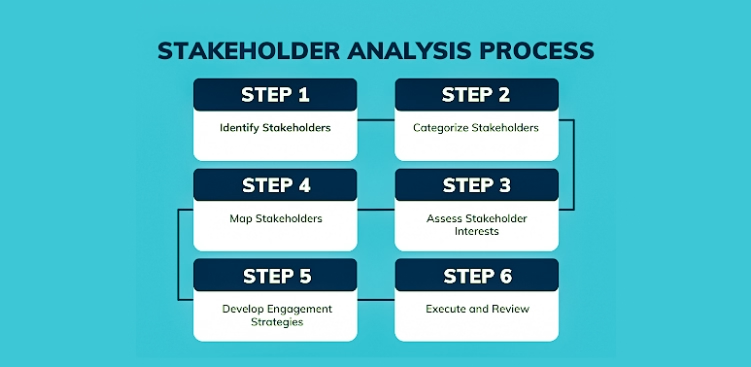
1. Identify Stakeholders: Begin by compiling a list of all potential stakeholders. This can include internal and external parties such as team members, clients, suppliers, regulatory bodies, and community groups.

2. Categorize Stakeholders: Group stakeholders based on their level of interest in the project and their influence on project outcomes. This categorization helps prioritize engagement efforts.

3. Assess Stakeholder Interests: Analyze each stakeholder’s interests, expectations, and concerns. Consider how the project may impact them positively or negatively.

4. Map Stakeholders: Create a stakeholder map or matrix, placing stakeholders in the appropriate quadrant based on their interest and influence. This visual representation guides engagement strategies.

5. Develop Engagement Strategies: Tailor communication and engagement strategies for each stakeholder group. Determine the frequency, channels, and content of communication to address their needs effectively.

6. Execute and Review: Implement the engagement strategies and continuously assess stakeholder sentiments throughout the project lifecycle. Adjust strategies as needed to maintain stakeholder support.

Embracing stakeholder analysis and mapping offers a myriad of benefits to project management:

Stakeholder Analysis

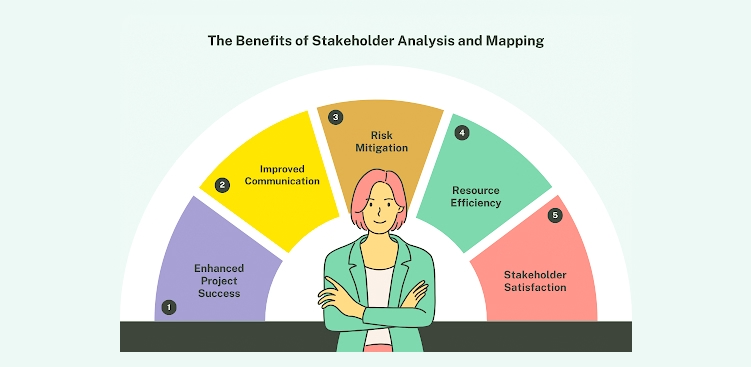
1. Enhanced Project Success: Projects that prioritize stakeholder engagement are more likely to succeed as they gain support, reduce conflicts, and navigate obstacles effectively.

2. Improved Communication: Tailoring communication to stakeholder needs fosters transparency and trust, resulting in smoother project execution.

3. Risk Mitigation: Identifying potential issues and addressing them early helps prevent major disruptions and costly delays

4. Resource Efficiency: Targeting engagement efforts efficiently allocates resources to where they are most needed, optimizing project performance.

5. Stakeholder Satisfaction: Meeting stakeholder expectations can lead to higher satisfaction levels, potentially leading to future collaboration or positive recommendations.

In the dynamic landscape of project management, stakeholder management and mapping emerge as indispensable tools for a software company catering to customers.

By acknowledging and incorporating the diverse needs and expectations of stakeholders, the content produced becomes more targeted and impactful. A well-executed stakeholder management strategy fosters collaboration, mitigates risks, and enhances overall project success.

As this software company continues to navigate the intricacies of content creation, integrating stakeholder insights into the fabric of project management practices will undoubtedly contribute to sustained growth and customer satisfaction in the competitive market.